
Gids
A Perfect Guide to Understanding the Hijab: Why Do Muslim Women Wear Hijab?

jan
Lets find out why do muslim women wear hijab? The hijab is an important symbol for many Muslim women, representing modesty, modesty and humility in the face of Allah. Why countless women around the world choose to cover their heads with this powerful symbol and what it means to them.
Table of Contents
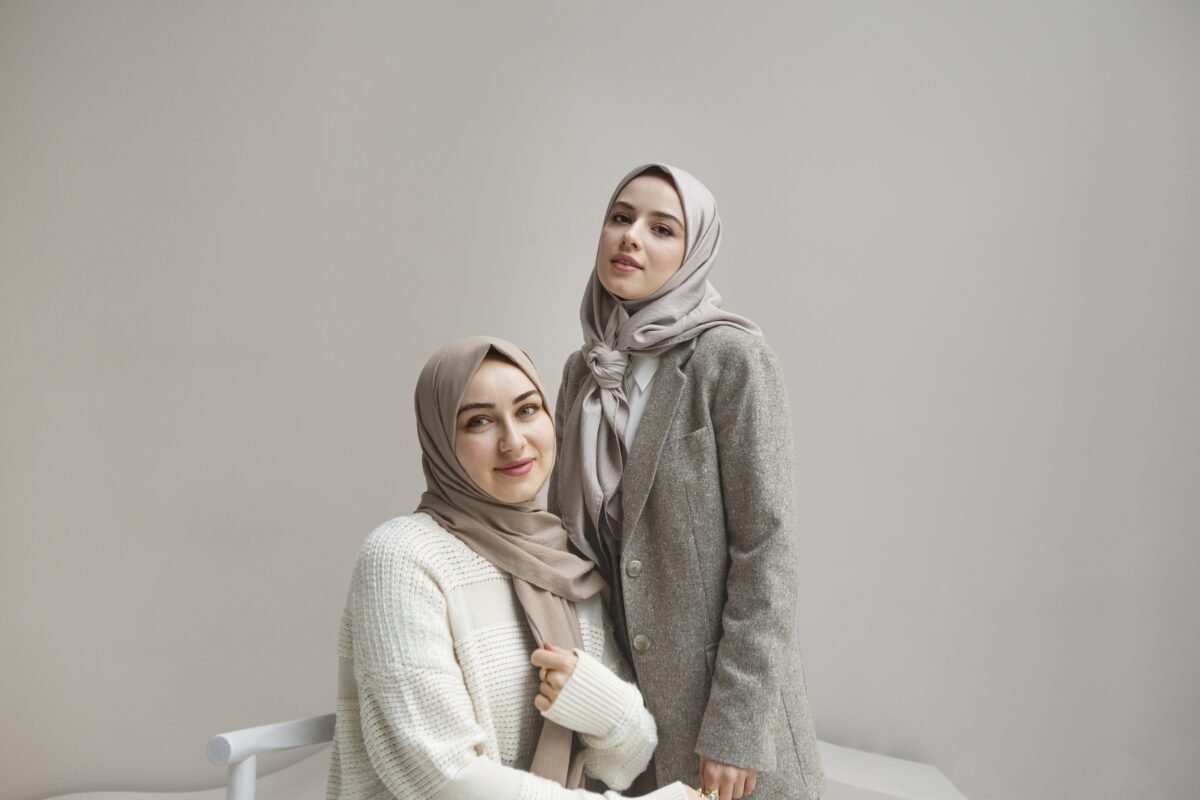
Wat is de hijab? Waarom dragen moslimvrouwen hijab?
De hijab is a term for the veil that some Muslim women wear. It is usually a long cloth that is worn to cover the head, neck and sometimes the chest. This type of veil has been around for centuries and is considered an important symbol of modesty in many Islamic cultures. While its specific origins are debated, it is widely accepted that wearing hijab was established as an act of worship and to honor Allah. The primary reason why do Muslim women cover their hair is because it is an act of obedience to Allah and fulfillment of His commandment.
How Does Wearing the Hijab Affect a Muslim Woman’s Life?
Wearing the hijab affects a Muslim woman’s life in many ways. It is an outward expression of faith and an affirmation of her commitment to modesty and piety. It expresses her devotion to Islam and her distinct identity as a Muslim woman. Additionally, wearing hijabs can be seen as an act of defiance against the widespread aspects of modernity that reject traditional precepts and culturally accepted norms. It can also be a source of pride and strength for many Muslim women, as it is a visible symbol of their faith. Finally, wearing hijabs can provide a sense of security and protection from unwanted attention or harassment.
Verschillende soorten hijaabs en hun betekenis
Er zijn veel soorten hijaabs, allemaal met verschillende lengtes, stijlen en kleuren. Veel moslimvrouwen kiezen ervoor om hun eigen persoonlijke kledingstijl en hijab te dragen die hun religieuze overtuigingen weerspiegelt en hun individualiteit uitdrukt. Veel voorkomende stijlen van de hijab zijn onder meer Shayla, Al-Amira, Khimar en Niqab, die verschillen in de mate van bedekking van het hoofd- en nekgebied. De hijab is vaak een symbool van schoonheid, gratie, bescheidenheid en kracht voor zijn dragers, en geeft hen zowel een gevoel van empowerment als trouw.
Wat vinden moslimvrouwen van de hijab?
Muslim women have many different views on their decision to don the hijab. For some, it is a sign of faithfulness and deep spiritual convictions. To others, it is an expression of pride in their Islamic identity. Some women wear it as a form of protection from discrimination and harassment from society, while others view it as a means to protect their own modesty in public. Whatever the reasoning behind wearing the hijab, for millions of Muslims around the world, it serves as an important source of security and identity.
Moderne herinterpretaties van de hijab en zijn betekenis
Modern interpretations of the hijab focus on self-expression, covering to exude modesty and confidence. To many devout Muslim women, wearing the hijab has become a way to express themselves during a time when so much pressure exists to conform to societal norms. It is seen as a source of empowerment, and an expression of religious freedom. As such, today Muslim women wearing the hijab are often met with support and admiration from other members of their community. Hijab provides an outward physical reminder to Muslim women that they are followers of Islam, and this helps them keep their faith strong. By wearing the hijab, they are consistently reminded that they are the servants of Allah, and that He is always watching over them – which serves as motivation to live according to Islamic values.
Op welke leeftijd dragen moslims hijab?
The age at which a Muslim woman chooses to wear the hijab can vary. Generally, it is agreed upon that wearing the hijab is a personal choice and should be respected regardless of when it is chosen. Some choose to wear it as soon as they reach puberty, while others may wait until they are older.
Wanneer kan een vrouw haar hijab afdoen?
De hoofddoek kan worden afgezet wanneer de vrouw dat wenst, op plaatsen waar geen buitenlandse mannen zijn of bij het uitvoeren van activiteiten zoals zwemmen (speciale badkleding is gebruikt).
Why Do Some Muslim Not Wear Hijab?
Despite the fact that hijab is strongly encouraged in many Islamic societies, there are some Muslim women who choose not to wear it. The reasons for this may vary, ranging from personal preferences of style and modesty to concerns over religious interpretation and cultural identity. Ultimately, a Muslim woman’s decision to wear or not wear hijab is a personal one, and should be respected regardless of her reasons.
Straf voor het niet dragen van hijab in de koran
Volgens de koran staat er geen straf op het niet dragen van een hijab. In feite is er maar één vers (24:30-31) dat vermeldt het zelfs, en dat vers is meer gericht op bescheidenheid dan het strikt dragen van kleding over het hoofd. Bescheidenheid is van toepassing op zowel mannen als vrouwen in de islam en kan op verschillende manieren worden geïnterpreteerd op basis van cultuur, context en persoonlijke overtuiging.
