Führung
5 Great Factors for Buying Wholesale Hijabs

Jan.
Buying Großhandel Hijabs for a store requires more than the lowest unit price. These five factors — silhouette, vendor vetting, samples, fabric, and shipping — help B2B buyers stock scarves that sell through at healthy margins in 2026, plus how to negotiate pricing once you know your numbers.
What Are the 5 Key Factors When Buying Wholesale Hijabs?
The five factors are: (1) popular silhouettes in your market, (2) verified factory vendors, (3) pre-production samples, (4) fabric fit for climate, and (5) transparent shipping on bulk orders. Together they reduce dead stock and returns — start with our Hijab Großhandel pillar for MOQ and pricing tables.
Which Hijab Silhouettes Are Most Popular in 2026?
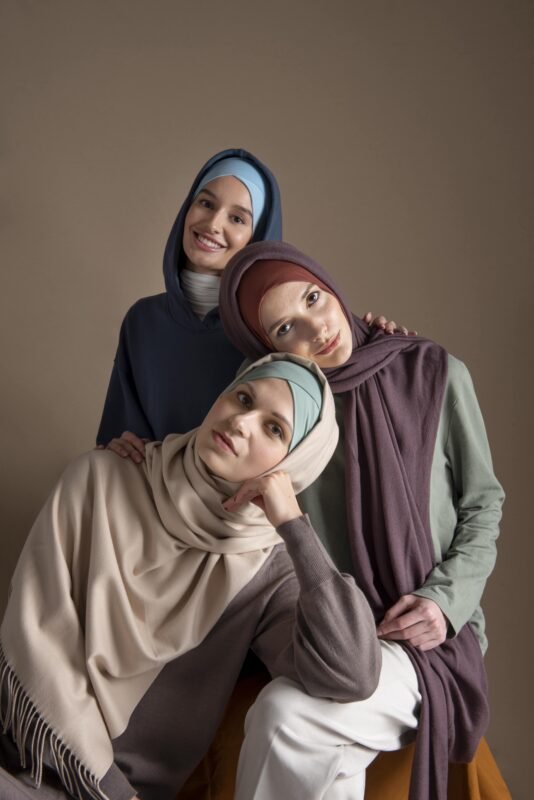
Jersey wraps, instant chiffon, and square medina silk remain top reorder lines. Popular SKUs include Medina Seiden-Hijab, Premium Jersey-Hijab, Und Hijab aus Bambus — each with different drape, weight, and price tier. Instant (pre-styled, no-pin) hijabs continue to grow share in North America because they reduce customer return rates tied to styling difficulty.
How Do You Find Reliable Wholesale Hijab Vendors?
Prioritize factories with export history, published MOQ, and live order proof. Compare 2–3 suppliers on landed cost (not FOB alone) — freight, insurance, and duties can add 10–20% to the sticker price depending on your country. Review Hicabistan shipments on Instagram and use our supplier comparison guide before signing a season contract.
Why Should You Request Sample Packets Before Bulk Orders?
Samples reveal stitch quality, colour accuracy, and hand-feel — photos hide shrinkage and transparency issues that only show up after a wash cycle. Order mixed fabric samples across your top 3 candidate SKUs; express delivery typically arrives in 1–4 business days. Then place MOQ 10/colour test lines before scaling to a full season order.
Which Fabrics Work Best for Different Markets?
Cotton-jersey breathes in warm climates; georgette and chiffon suit layered looks; medina silk commands premium retail pricing and higher margin per unit. Read our fabrics & colours guide for MOQ-by-fabric notes and seasonal recommendations.
What Shipping Options Exist for Bulk Hijab Orders?
Choose economy, express, or freight by weight and deadline. Hicabistan quotes shipping in-cart and on the Lieferkosten page — most EU/US B2B parcels arrive in 5–8 days with tracking. For orders above 500 pieces, request a freight quote separately since per-kilo rates usually beat express courier pricing at that volume.
How Do You Negotiate Better Wholesale Hijab Pricing?
Volume and consistency — not haggling — move factory-direct pricing. Suppliers offer better per-piece rates for repeat, predictable orders (same fabric family, consistent colour mix) rather than one-off large orders. Ask about tiered pricing at 500+ and 1,000+ piece thresholds once you have 2–3 successful reorders on record.
What MOQ and Pricing Should You Expect From Turkey?
Factory-direct hijab MOQ is 10 Stück pro Farbe aus 1,90 €/piece on jersey lines. Volume tiers and private-label embroidery differ — see Großhandelspreise für Hijabs for 2026 tables.
How Do You Test a New Hijab Fabric Before Committing to a Full Order?
Order the smallest available quantity — typically MOQ 10 in a single colour — and put the fabric through a real customer touchpoint before reordering: sell it in-store or feature it in one social post rather than a full launch. Track sell-through over 2–3 weeks, not just first-day sales, since some fabrics (medina silk, premium jersey) sell more slowly but at higher margin than fast-moving basics.
What Common Mistakes Do First-Time Wholesale Hijab Buyers Make?
The three most frequent mistakes are: ordering too many colours in an unproven fabric before testing demand, skipping the sample stage to save a few days of lead time, and choosing a supplier based on unit price alone without checking landed cost. Each of these is avoidable by following the five factors above in order — silhouette research, vendor vetting, and sampling before you commit to a bulk quantity.
How Do You Know When You Are Ready to Scale Beyond MOQ 10?
You are ready to scale past a MOQ 10/colour test order once a fabric or colour has sold through at least 70–80% within 4–6 weeks across two consecutive small orders — one good week is not enough signal on its own. At that point, move that specific fabric and colour to a 50+ piece reorder while keeping newer, untested colours at MOQ 10 until they earn the same track record. This staged scaling protects cash flow while still letting you expand the catalogue with confidence.
Der Markt für modeste Mode — in Zahlen
- Die weltweiten Ausgaben muslimischer Verbraucher für modeste Mode erreichten 327 Milliarden US-Dollar im Jahr 2023 und sollen bis 2028 auf 433 Milliarden US-Dollar steigen (5,8 % CAGR).
- Die Türkei gehört zu den weltweit führenden Märkten und Produzenten für modeste Mode — was den werkseitigen Direktbezug aus der Türkei zu einem strategischen Vorteil für Boutiquen macht.
Quelle: Bericht zum Stand der globalen islamischen Wirtschaft 2024/25 (DinarStandard)