Guide
Hijab vs Niqab : Quelle est la Différence ?

Jan
Hijab and niqab serve different parts of a modest-wear catalogue, and wholesale buyers who confuse them risk under-stocking one category. This guide breaks down the practical, MOQ, and market differences so you can build a balanced product mix.
What Is the Practical Difference Between Hijab and Niqab for Retail Buyers?
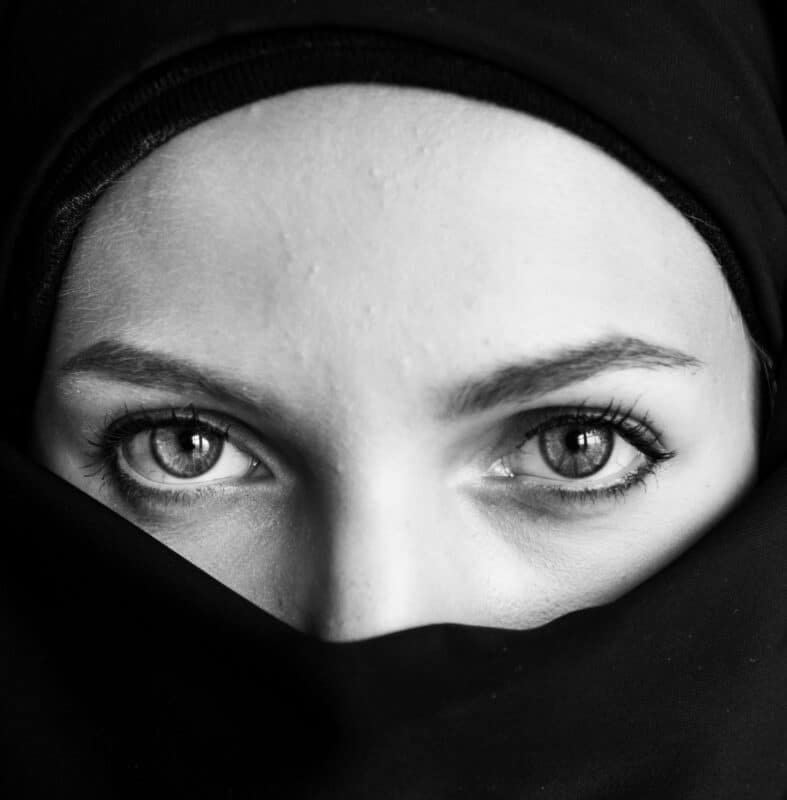
A hijab is a head covering that leaves the face visible; a niqab adds a separate face veil, usually paired with a matching headpiece. For catalogue purposes, hijabs are a fashion category with dozens of fabrics and colours; niqab is a smaller, more standardised category — typically black or navy, with 2–3 fabric weights.
Which Markets Have Higher Demand for Niqab Wholesale?
Niqab demand concentrates in Gulf and MENA markets and specific EU cities with larger Salafi or Gulf-expat communities; hijab demand is broad across every market Hicabistan ships to. If you sell primarily to US or Western European boutiques, weight your catalogue toward hijab and abaya; add niqab as a smaller, request-based SKU rather than a rack staple.
What Fabric and MOQ Applies to Wholesale Niqab Orders?
Niqab pieces typically ship in chiffon or crepe with a single- or double-layer veil. Order at the same MOQ 10/colour rule as hijab lines, but expect fewer colour options — most catalogues run 2–3 shades versus 20+ for hijab. Contactez-nous on WhatsApp for the current niqab price list, since it is not part of the standard hijab fabric tiers.
How Should Boutiques Balance Hijab and Niqab in Their Catalogue?
A practical starting mix for a general modest-wear boutique is 80–90% hijab/abaya and 10–20% niqab, adjusted to your customer base. Test niqab with a single small order (MOQ 10) before committing shelf space — it is a lower-turnover category that ties up cash if over-ordered.
What Cultural and Compliance Factors Should Wholesale Buyers Know?
Some EU countries restrict face-covering garments in specific public settings (France, Belgium, parts of the Netherlands have relevant local regulations). This does not affect wholesale import or B2B sale, but it does affect retail demand and marketing — confirm local retail rules in your own market before building a large niqab display.
Which Modest Wear Sells Best for Retail Boutiques?
Hijabs and abayas drive repeat B2B orders; niqab demand varies by country. Stock hijabs in jersey and chiffon first, then add abaya capsules — see our wholesale hijab guide.
Can You Wholesale Both Hijabs and Abayas From One Factory?
Yes. Hicabistan produces hijabs (MOQ 10/colour from 1,90 €) and abayas (no per-model MOQ on catalogue styles) from Tekstilkent, Istanbul — one invoice, one logistics contact.
How Do Sizing and Fit Differ Between Hijab and Niqab Products?
Hijabs are largely one-size, differentiated by shape (square, rectangle, instant loop) rather than body sizing, which simplifies wholesale ordering. Niqab sets typically come in one or two head sizes with an adjustable elastic or tie closure, and the veil layer is usually sold as an attached or detachable piece — confirm which construction your supplier ships, since detachable veils let retailers sell the headpiece alone to a wider customer base.
How Should You Price and Merchandise Niqab Alongside Hijab?
Because niqab is a narrower, less browsed category, display it as a dedicated small section rather than mixed into the main hijab rack — customers looking for it search deliberately and don’t need it competing visually with fashion-forward hijab colours. Price niqab close to your mid-tier hijab price point; it is a lower-turnover SKU, so avoid deep discounting that erodes margin on a product that already moves slower than jersey basics.
What Should You Ask a Supplier Before Adding Niqab to Your Catalogue?
Confirm fabric opacity (a niqab veil that is too sheer defeats its purpose and generates returns), whether the eye opening is fixed or adjustable, and current colour availability — most factories, including Hicabistan, run a smaller standing colour range for niqab than for hijab and may need advance notice for anything outside black or navy.
How Do You Decide Whether Niqab Is Worth Stocking in Your Market?
Before ordering, check three signals from your own customer base: direct requests or messages asking for it, foot traffic or online visitors from regions where niqab demand is typically higher, and whether nearby competitor boutiques already stock it. If none of these signals are present, it is reasonable to leave niqab out of your first catalogue entirely and revisit the decision once you have a larger, more established customer base — there is no requirement to carry every modest-wear category to run a successful hijab and abaya boutique.
Le marché de la mode modeste — en chiffres
- Les dépenses mondiales des consommateurs musulmans en mode modeste ont atteint 327 milliards de dollars en 2023 et devraient atteindre 433 milliards de dollars d'ici 2028 (TCAC de 5,8 %).
- La Türkiye figure parmi les premiers marchés et producteurs mondiaux de mode modeste, faisant de l'approvisionnement direct en usine turque un avantage stratégique pour les boutiques.
Source : Rapport sur l'État de l'Économie Islamique Mondiale 2024/25 (DinarStandard)